
The Unique Identification Authority of India (UIDAI) is the government body responsible for the Aadhaar programme. It assigns the unique 12-digit identification number to every resident and manages the entire ecosystem. UIDAI ensures the system operates efficiently, securely, and fairly across the country.
UIDAI’s work is important because Aadhaar supports essential services like banking, subsidies, mobile connections, and tax filing. By providing a single, verifiable identity, it helps reduce fraud, cut delays, and make sure benefits reach the intended people. Strong oversight from UIDAI keeps personal data protected while enabling smooth digital transactions.
With more than 1.3 billion enrolments, UIDAI forms a key part of India’s digital framework. Understanding its responsibilities shows how a well-managed identity system supports both daily life and larger national goals.
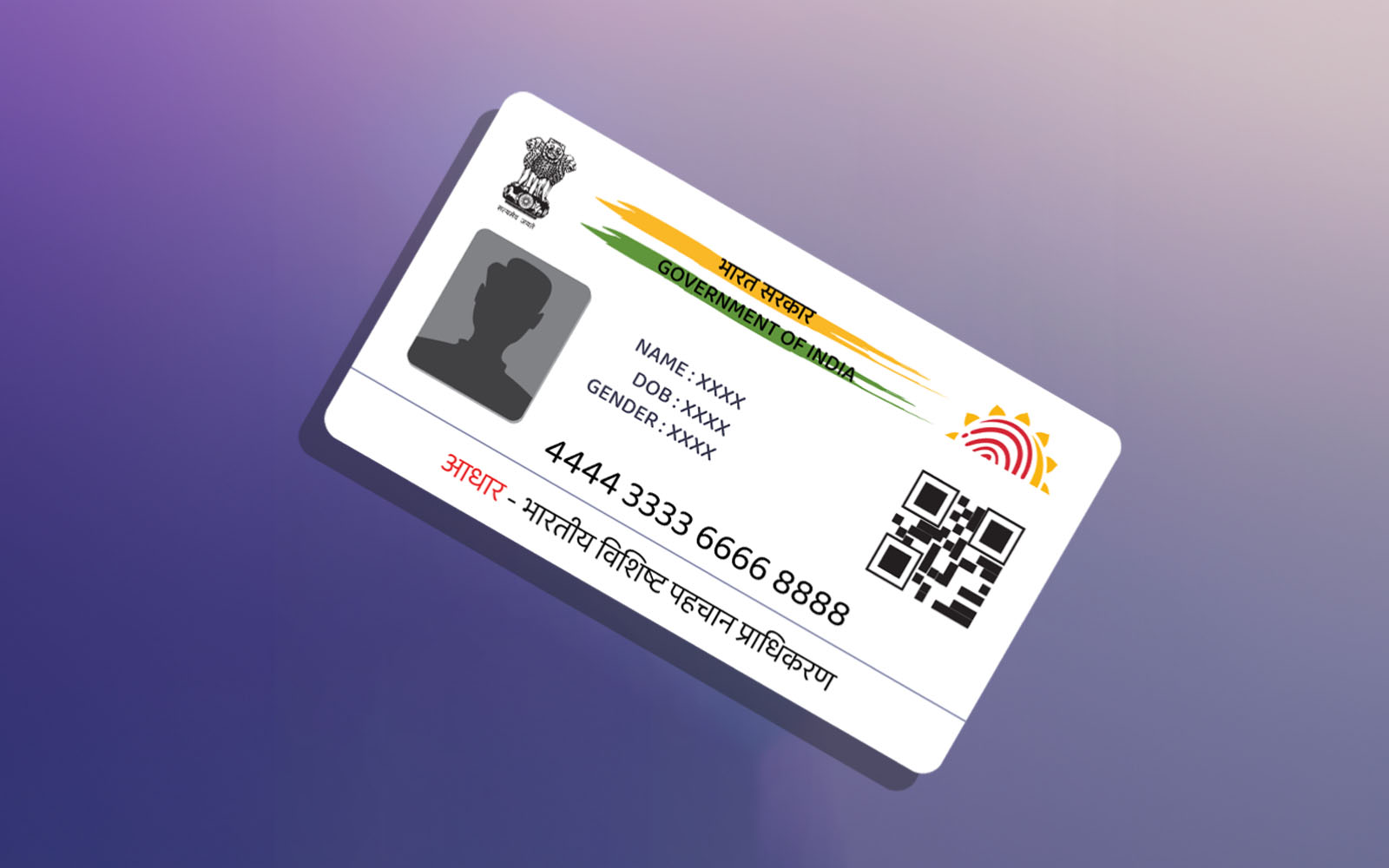
UIDAI was created in January 2009 through a government notification under the Planning Commission. The aim was to build a reliable, technology-based identity system for all residents. Initial efforts focused on designing processes that could handle India’s large and diverse population.
The first Aadhaar numbers were generated in September 2010 in a village in Maharashtra. Rapid expansion followed, with multiple enrolment agencies joining the effort. UIDAI later moved to the Ministry of Electronics and Information Technology.
By becoming a statutory authority in 2016, UIDAI gained clearer powers and accountability. This structure helps it function independently while remaining answerable to Parliament.
The Aadhaar Act, 2016 provides the legal foundation for UIDAI’s operations. The Act defines enrolment rules, authentication processes, and strict privacy safeguards. It also specifies which services can require Aadhaar.
Supreme Court judgements in 2018 upheld the Act’s core provisions while striking down some mandatory uses. UIDAI must now follow the principle of minimal data collection and purpose limitation.
Regulations issued under the Act cover data security, grievance handling, and penalties for misuse. These rules help maintain public trust.
UIDAI generates and issues Aadhaar numbers while maintaining the Central Identities Data Repository (CIDR). Many services are available through the official Uidai website and resident portals. It sets technical standards for devices and software used in the ecosystem.
The authority develops policies, monitors usage patterns, and introduces improvements based on feedback. UIDAI also educates the public about safe Aadhaar practices.
Coordination with central and state governments ensures smooth integration with welfare schemes. This broad scope keeps the system relevant and effective.
UIDAI authorises thousands of enrolment centres run by banks, post offices, and government agencies. It trains operators and monitors quality to prevent errors or fraud. Special drives reach remote, tribal, and underserved areas.
After capturing demographics and biometrics, UIDAI performs de-duplication using advanced algorithms. Successful cases receive an Aadhaar number, followed by e-Aadhaar download or physical delivery.
Child enrolment and updates for minors follow simplified procedures with parental linkage. This inclusive approach supports lifelong identity management.
All data in the CIDR is encrypted using 2048-bit and higher keys. Biometric information is stored separately and never shared with requesting agencies. Authentication responses are limited to simple yes/no.
UIDAI conducts regular penetration testing and security audits. Only registered and certified devices can perform authentication.
Residents can lock their biometrics to prevent unauthorised use. Breach reporting and investigation protocols add another layer of protection.
UIDAI offers multiple authentication modes to suit different needs. These include fingerprint, iris, face, OTP, and QR code methods. Agencies receive only confirmation of identity, not the underlying data.
e-KYC services enable paperless onboarding for banks and telecom companies. Offline verification options support areas with limited connectivity.
Continuous upgrades improve speed, accuracy, and inclusivity for elderly or disabled residents. This flexibility encourages wider adoption.
Residents can perform many tasks through self-service portals without visiting centres. The Aadhaar login system allows secure access to personal records and services. Features include address updates, mobile linking, and Virtual ID generation.
A toll-free helpline, email support, and online grievance system handle queries and complaints. UIDAI also runs awareness campaigns about phishing and safe practices.
Masked Aadhaar and downloadable versions help protect privacy during sharing. These tools empower residents to manage their own data.
UIDAI regularly audits registrars, enrolment agencies, and authentication users. Performance metrics track quality, inclusion, and adherence to guidelines. Violations can lead to suspension or blacklisting.
Public dashboards show enrolment statistics, authentication volumes, and savings from direct benefit transfers. Annual reports and transparency initiatives build confidence.
Collaboration with law enforcement occurs only under legal provisions. This balanced approach maintains ecosystem integrity.
UIDAI plays a central role in maintaining India’s largest digital identity platform. Its focus on security, inclusion, and continuous improvement supports reliable services for over a billion people.
Through strong governance, advanced technology, and resident-centric features, the authority helps make identity verification simple and safe.
The ongoing efforts of UIDAI contribute to greater trust in digital systems while protecting individual privacy and rights.